Balboa Island Median Sale Price: $4.7M | Balboa Peninsula Median Sale Price: $3.35M | Island Avg. Days on Market: 38 | Peninsula Avg. Days on Market: 51
They share a name, they share a harbor, and from a distance they can look like the same neighborhood. But spend a week on Balboa Island and another on the Balboa Peninsula and you will quickly understand that they are two distinctly different places — with different personalities, different price structures, different buyer profiles, and very different answers to the question of what daily life actually looks like.
If you are trying to decide between them, this guide gives you the honest side-by-side. Not just the numbers, but the feel, the tradeoffs, and the questions to ask yourself before you make one of the most significant financial decisions of your life.
The Geography: Understanding What You're Comparing
Before the comparison, a quick map orientation.
Balboa Island is a small man-made island inside Newport Harbor, accessible by a bridge from Jamboree Road or by the famous three-car Balboa Ferry from the Peninsula. The main island — sometimes called Big Island — is home to Marine Avenue, the island's commercial and social hub, and the bayfront walk that circles the island's perimeter. Little Island sits adjacent, connected by a small bridge, and has a quieter, more residential character. Total land area on the island is less than half a square mile.
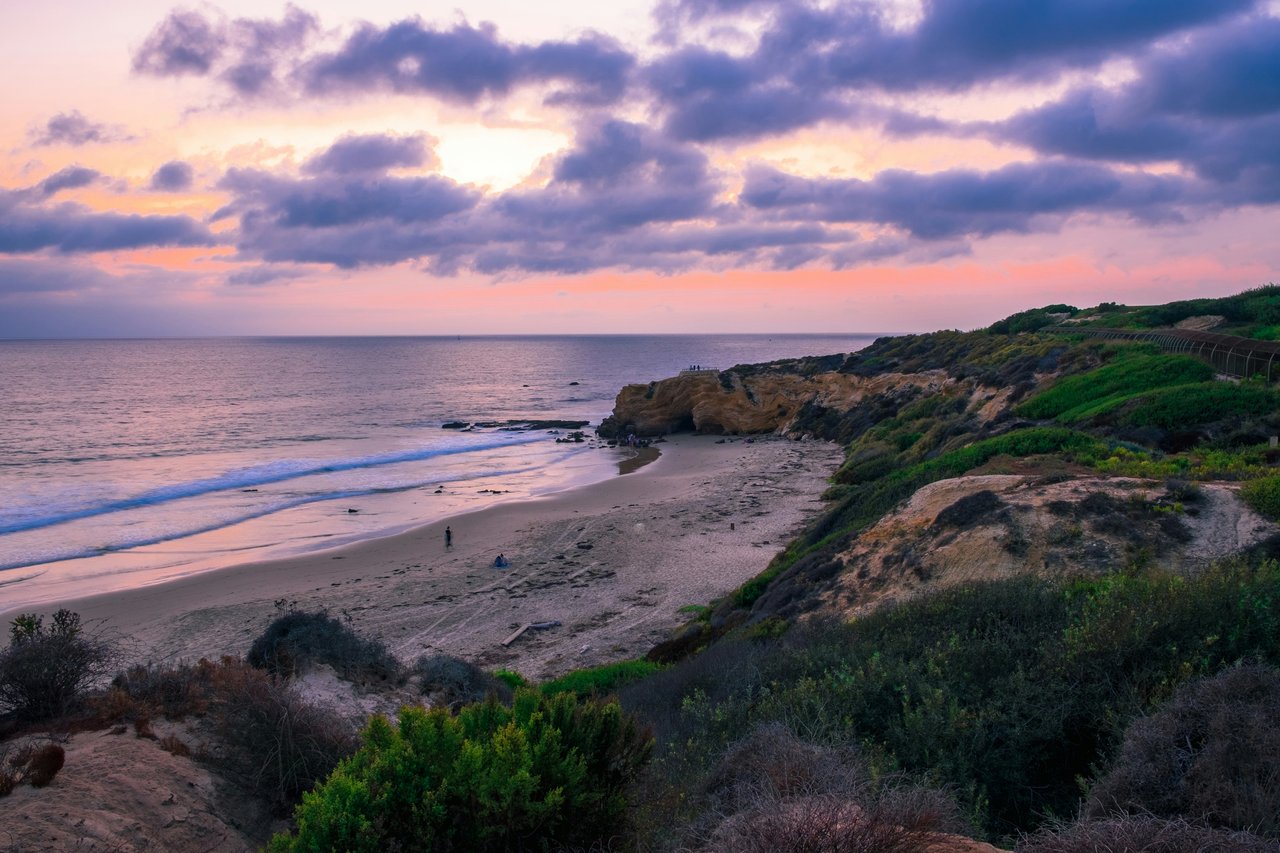
Balboa Peninsula is a narrow finger of land roughly four miles long that separates Newport Harbor from the Pacific Ocean. Ocean on one side, harbor on the other. The Peninsula contains the Newport and Balboa piers, the Balboa Fun Zone, and a mix of residential streets that range from compact cottages to substantial oceanfront estates. It connects to the mainland at its western end near 36th Street and narrows toward the Balboa Peninsula Point at its eastern tip.
Both are genuine coastal addresses. Both have deep roots in Newport Beach's identity. That is where the similarities largely end.
The Feel: Island Village vs. Coastal Corridor
This is the most important difference and the one that is hardest to quantify.
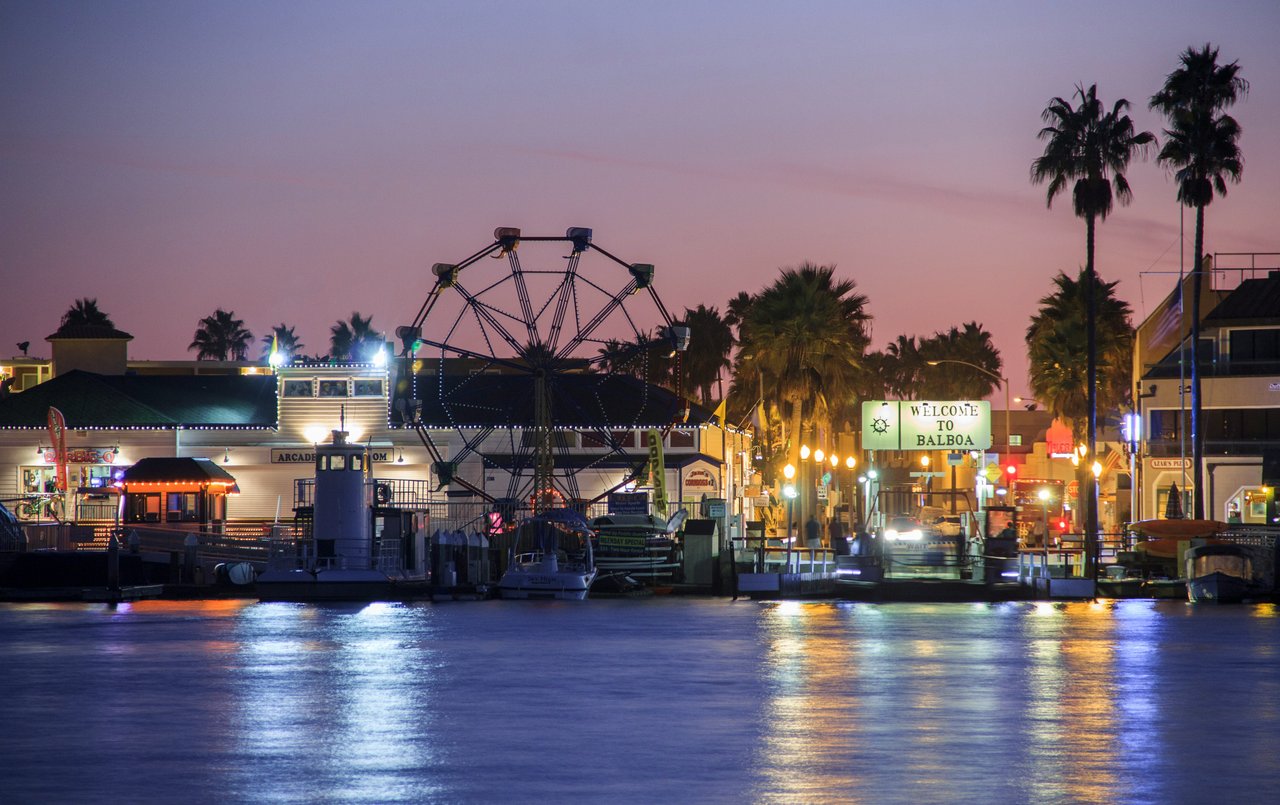
Balboa Island has a village quality that is genuinely rare in Southern California. The island is small enough that you know your neighbors. Marine Avenue has the energy of a Main Street that was built for residents, not tourists — local restaurants, boutiques, the famous frozen banana stands at Dad's and Sugar 'n Spice, the Balboa Island Museum tucked in among the shops. The bayfront walk that circles the island is a daily ritual for many residents: a mile-and-a-half loop with harbor views, boat traffic, and the kind of unhurried pace that people move to Newport Beach to find. Events like the Balboa Island Community Garage Sale and Concert in the Park are genuine community touchstones.
Balboa Island has a Walk Score of 74 — fairly walkable for Orange County — and that walkability is a primary part of what the island lifestyle delivers. Most residents walk to Marine Avenue, the ferry, and the bayfront regularly. Cars exist on the island, but they are optional in a way they are not in most Southern California neighborhoods.
Balboa Peninsula has a different energy — less village, more coast. The Peninsula is long enough that the character changes depending on where you are on it. The west end near the Newport Pier has a more casual, surf-culture feel with beach rentals, bike paths, and the boardwalk energy that comes from one of the most visited stretches of Southern California coastline. The middle sections of the Peninsula are more residential and quieter. Balboa Peninsula Point — the easternmost tip — is among the most private and prestigious addresses on the Peninsula, with water on three sides and a distinctly different atmosphere from the busier central areas.
The Peninsula's boardwalk runs along the ocean side and is one of its defining features — a 2.5-mile path that gets heavy foot and bike traffic year-round, and especially in summer. It is a wonderful amenity. It is also a feature that makes the Peninsula feel more public-facing than the island's quieter interior streets.
The Price Comparison: What Your Money Gets You
This is where the two neighborhoods diverge most clearly in practical terms.
Balboa Island is the more expensive market. The median sale price on Balboa Island was $4.7 million in February 2026, up 5.1% year-over-year, with a median price per square foot of $1,530 — up 12.9% from the prior year. Single-family homes average around $5.5 million, while condos come in closer to $1.5 million. Bayfront homes with dock access command a significant premium above those figures — waterfront estates on South Bayfront routinely trade between $8 million and $15 million or more.
The premium on Balboa Island reflects genuine scarcity. There are typically only around five active MLS listings on the island at any given time, with most homes sold in the past month numbering in the single digits. When something comes available at the right price, it moves quickly. Homes on Balboa Island are selling after an average of 38 days on market — considerably faster than the broader Newport Beach average.
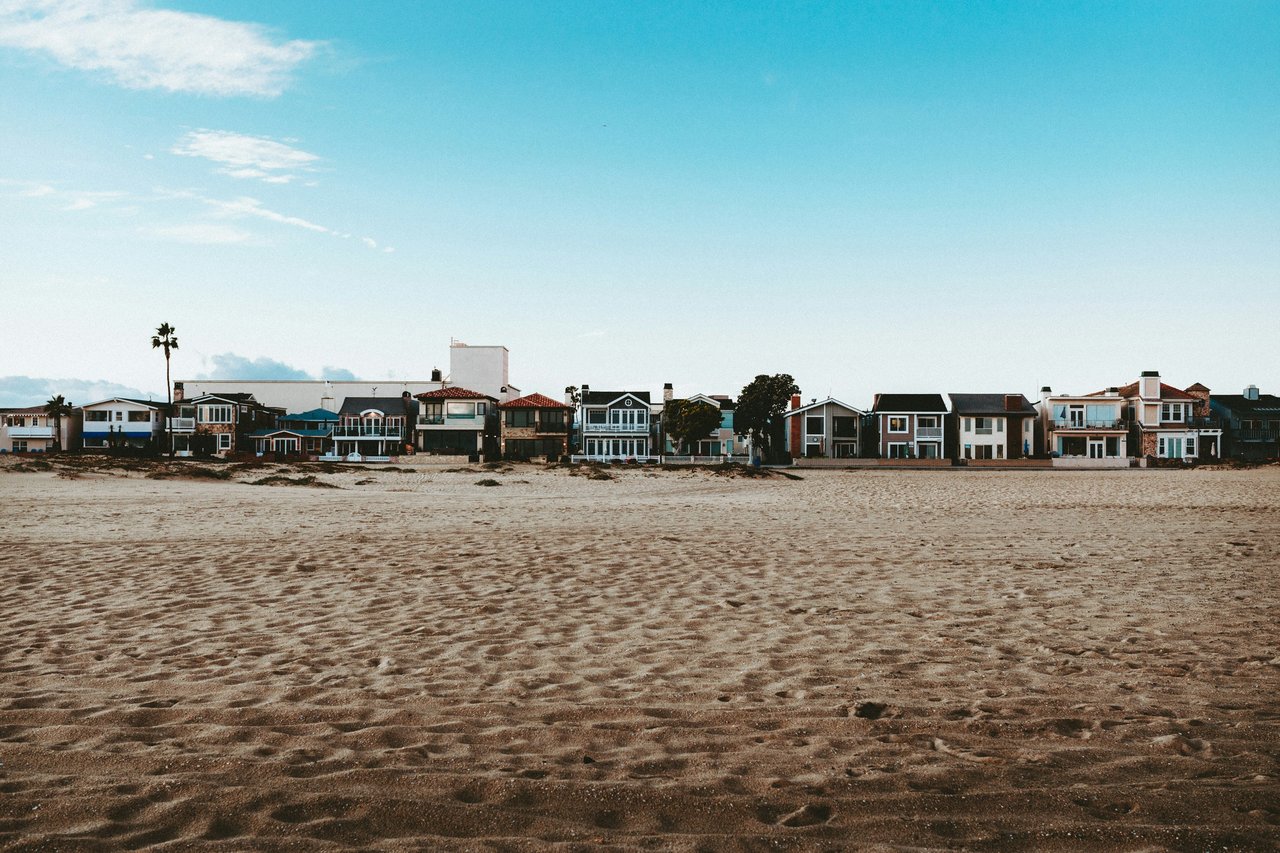
Balboa Peninsula offers more price range and more inventory. The median sale price on the Peninsula was $3.35 million in the most recent reported period, with homes selling an average of 3.4% under list price and spending 51 days on market. At the premium end, Balboa Peninsula Point listings carry a median around $4.95 million. Entry-level cottages in need of updating can be found below $2.5 million, making the Peninsula one of the more accessible parts of Newport Beach for buyers who want a single-family coastal home.
The Peninsula also carries an investment dimension that the island does not. Short-term rental demand near Balboa Pier remains strong, and Newport Beach short-term rental permits — which are limited and non-transferable in most cases — carry meaningful value when they are grandfathered into a sale. Buyers looking at the Peninsula with an investment angle should investigate rental permit status carefully before making an offer.
Practical Life: The Things That Actually Matter Day to Day
Parking and getting around
On the island, parking is tight by design — the streets are narrow and lots are small. Most homes have a single-car garage and limited guest parking. If you are someone who regularly has people over or needs multiple vehicles, this is worth thinking through carefully before you buy. The flip side is that you need your car far less on Balboa Island than almost anywhere else in Newport Beach.
On the Peninsula, parking is similarly limited in the more congested central sections. The oceanfront addresses and boardwalk-adjacent streets see heavy summer foot traffic that makes street parking competitive from Memorial Day through Labor Day. The Peninsula Point is considerably more private and parking-friendly.
Water access and boats
Both neighborhoods have harbor access, but the experience is different. Balboa Island homes — particularly the bayfront properties — come with private docks as a primary feature. The harbor is the view, the lifestyle, and in many cases the primary reason people buy on the island. Interior island homes do not have dock access but are a short walk to the harbor's edge.
On the Peninsula, ocean access is one of the defining features — direct beach access from most addresses on the ocean side is a genuine lifestyle advantage. Harbor-side Peninsula homes also have dock access, but the ocean side is what separates the Peninsula from the island experience in a fundamental way.
Summer and visitors
Both neighborhoods see significant visitor volume in summer, but the Peninsula bears the heavier load. The Balboa Fun Zone, the piers, and the ferry landing on the Peninsula side draw significant foot traffic from Memorial Day through September. Residents who love the summer energy of a busy coastal neighborhood will feel at home. Residents who prioritize quiet and privacy in the summer months may find the island's relative separation — accessed only by bridge or the small ferry — a meaningful advantage.
Who Buys Where: The Buyer Profiles
Certain buyer types tend to find their way to each neighborhood consistently, and understanding those patterns can help clarify where you belong.
Balboa Island tends to attract buyers who prioritize walkability and village character over space, buyers who want harbor access and a boating lifestyle, buyers who plan to be in the home long-term and value the community feel, and buyers who are willing to pay a premium for genuine scarcity in a finite market.
Balboa Peninsula tends to attract buyers who want ocean access and a beach-first lifestyle, buyers who are open to renovation projects at a relative value compared to the island, buyers with an investment or rental income angle, and buyers who want more square footage options at a wider range of price points.
Neither is the wrong choice. They are different answers to different questions about how you want to live.
The Bottom Line: How to Decide
If the harbor, the village character, and the island community are what you are drawn to — and you are prepared for tight inventory, premium pricing, and the reality that good Balboa Island homes do not stay available for long — then the island is likely where you belong.
If you want the ocean on your doorstep, more flexibility in price and size, and the energy of one of Southern California's most iconic coastal corridors — and you are comfortable with a more active summer environment — the Peninsula is worth your close attention.
The most useful thing you can do before committing to either is spend real time in both. Walk the Balboa Island bayfront on a Tuesday morning. Walk the Peninsula boardwalk on a Saturday in July. The data will tell you what they cost. The neighborhoods themselves will tell you where you belong.
When you are ready to take a closer look at specific properties on either side of the harbor, we are the team to have that conversation with.
Market data sourced from Redfin MLS, Houzeo, Homes.com, and Movoto for Q1–Q2 2026. All figures are approximate and subject to change. This post is for informational purposes only and does not constitute financial or legal advice.
— Hobbs Group — Arbor Real Estate | Newport Beach, CA